Monday, February 26, 2007

Leaving Your Dog Home Alone

Does your dog become overly anxious when you leave the house or upon your return? Could be he is suffering from separation anxiety - a severe fear and dislike of isolation. Dogs who have experienced traumatic events such as a sudden change in environment, loss or addition of a family member, or lack of attention and mistreatment early in life may be more prone to excessive dependence and separation anxiety.

Indications of separation anxiety will generally begin approximately thirty minutes before you leave. Signs include destructive behavior or scratching at the door shortly after you leave, constant or excessive barking, whining or whimpering, hyperactivity, increased aggression, depression, or urination/defecation in inappropriate areas. If these behaviors exhibit themselves consistently when you are leaving or while you are gone, here are a few ways to help your pet feel more secure.

Plan scheduled departures. This technique helps your dog adjust by exposing her to repeated short periods of isolation. Spend 5 minutes with your dog to put her in a calm state. During this time, do not touch or talk to her. Then gather your keys and leave your home for a few seconds to a minute, making certain to return before your dog becomes anxious. When you reenter the house, do not talk or touch her. Wait a few minutes before greeting your dog or causally calling her by name. Repeat this procedure until your dog shows no sign of distress. Before increasing the separation time, make certain your dog is calm and does not engage in an extended greeting when you reenter. Continue this process, gradually increasing the length of separation time. After the short departures have reached 30 minutes, increase the alone time in larger increments. Once your pet can be left alone for an hour and a half without anxiety, she can generally be left all day. Remember to consult your vet or an animal behaviourist to design a treatment program for your dog.

Give your dog more exercise, both mental and physical. Take your dog to the park for an extended run, explore new places, go for a play date with other dog buddies or teach him a new training exercise.

Make your departure and return as uneventful as possible to avoid over stimulation.

Leave a recently worn article of clothing where your dog sleeps. Your scent will help ease his anxiety.

Watch the signs. Look for the earliest action in your predeparture sequence which makes your dog anxious, such as putting on your shoes or picking up keys? When you are home, repeat these triggers in a normal fashion until your dog becomes comfortable with them, then move on to the next step in your departure sequence. If your dog's anxiety does not decrease after a number of repetitions, you may need to reassess what the first trigger is and try again.

Leave the TV or radio on for your dog to hear while you are away, providing the dog does not associate these items with a stressful situation.

Leave a hard rubber toy for your dog filled with her favorite treat (peanut butter, cheese, kibble, etc.) . This provides a distraction and keeps her occupied while you are away. It will also focus her attention on the toy and not on the destruction of your furniture.

When your pup is young, consider crate-training to establish independence and safe alone time.

Have patience.

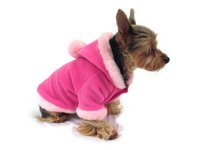
Perfect for those special occassions, our little girl is wearing the all cotton Puppia dress with pink top, white sailor collar and matching plaid skirt. Available at: www.dogclothes-apparel.com

Monday, February 19, 2007

Poisonous Substances and Your Dog

No matter how smart your dog, as pet parents, we need to help our friends stay as safe and healthy as possible. Below are a few simple tips to keep your dog in tip top shape.
Dogs may eat grass to help with indigestion, but certain plants can be toxic if ingested. Caladium, Castor bean, Day Lily, Dumbcane, English Ivy, European Bittersweet, Lantana, Mistletoe, Oleander, Philodendrons, Poinsettia, and Rhubarb are just a few which can cause your dog serious harm. For a complete list, go to the Humane Society web site http://www.hsus.org/ and enter poisonous plants in the search box.

Place cleaning products as well as shampoo, soap, and hair products out of reach.

Clean automotive spills or leaks promptly and avoid using antifreeze containing ethylene glycol. The sweet taste can be attractive to your pet, but just 2 ounces of an ethylene glycol antifreeze can be fatal.

Although a treat for our palette, chocolate contains the stimulant theobromide which poses serious health risks for dogs.

Sign up for a dog first aid class. Contact your vet, the Humane Society (http://www.hsus.org/) or the ASPCA (http://www.aspca.org/) for classes in your area.

Keep a list of poison control numbers handy. In the event of a poisoning emergency, call your vet immediately or the ASPCA's Animal Poison Control Center (888-426-4435) which is open 24 hours a day, 365 days a year. A $55 fee may be applied to your credit card for calls to the APCC (http://www.aspca.org/site/PageServer?pagename=pro_apcc).

Know the signs. Dogs who have ingested poison generally display some of the following symptoms: fever, diarrhea, stomach pain, listlessness, lack of coordination, vomiting and tremors. If your pet has ingested something poisons, contact your vet immediately.

Our little friends are wearing the Puppia Knight Hoodie from http://www.dogclothes-apparel.com/. This sleeveless polar fleece dog hoodie is adorned with a gold Puppia "P" on the front and a noble crest appliqué embroidered on the back. The checked bodice is finished in matching color trim. Available in Pink, Red and Navy.

Tuesday, February 13, 2007

Bathing Your Dog

We may enjoy a long soak in the tub or a hot shower after a grueling day, but often our furry friends don't share our bathing enthusiasm. Here are a few helpful hints to make cleanliness a less life altering experience.

Bath time can be a stressful time for some dogs. Speak to your pet in a friendly, comforting tone. Just hearing your voice will reassure your dog all is well.

If the outdoor temperature is below 65 degrees (19 C) bathe your dog indoors. In addition, most outdoor faucets only pump cold water.

Both pet and baby shampoos work well when bathing your pet. Rinse your dog with warm water before applying shampoo or put a few drops of shampoo in a large container of warm water. Pour over your dog before you wet her to help remove stubborn oils and dirt which have accumulated in the fur. Begin shampooing at the head working your way to the tail. Rinse twice using the same head to tail movement. Use the second rinsing to make certain all the shampoo has been removed from the skin.

Where you bathe your dog makes a difference too. For large dogs try the shower. Medium dogs can be washed well in either a deep sink or the bathtub. For small dogs, try the kitchen sink. Place a towel in the sink or a nonslip mat in the shower for added traction. If possible use a hand held shower attachment to make your life easier.

And don't forget, bring your sense of humor.

Our furry friend is wearing his after bath best.. the http://www.dogclothes-apparel.com white Terry Cloth Dog Bathrobe with applique rubber duckie. For the finishing touch, add a set of Sleepytime Dog PJ's or Yellow Duckie or Pink Bunny Dog Slippers. Available in all sizes.

Wednesday, February 01, 2006

Fitness with Your Furry Friend

Don't feel like exercising? Use your dog as an excuse. Romping with your dog is a great way for you both to keep fit and have fun in the process. Hiking, walking, biking, swimming, or running are all activities your dog will enjoy.
If you and your dog have don't exercise much, begin slowly. Starting your work out too vigorously too soon can cause more harm than good.

For older dogs, swimming is a great way to stay fit. Water's buoyancy relieves stress on older joints, while swimming exercises the muscles. For pool play, add a floating dog toy for your dog to enjoy. Remember to allow you dog to go at his or her own pace.

After swimming, dry your dog's ears to help prevent ear infections.

When hiking, plan rest periods every 20 to 30 minutes. Take water for your dog to drink and make certain your pet is properly hydrated before you leave home.

When biking with you dog, make certain you take the necessary precautions first. Only take your dog along if you are a good cyclist and if he likes to go. Train your dog to run beside you - not in front, keeping pace with your speed. If your dog is harnessed to your bike, make certain the attachment has a quick release.

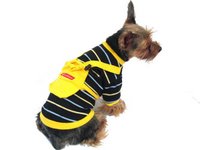
Max is wearing the http://www.dogclothes-apparel.com/ Backpack Shirt. Backpack and shirt in one. Made of stretch cotton with light blue and yellow stripes on black fabric. Edged in matching yellow trim. Handy little draw string backpack attached. Available in sizes Small, Medium, Large, and X-Large. Also available in Blue

Thursday, January 26, 2006

Helping Your Dog Fight Fleas

Fleas can make even the most contented dog miserable. Here a few ways to get your dog back up to speed.

Bathing your dog with a flea bath and combing him with a flea comb are two of the best ways to help your friend become flea free. Comb your dog two or three times a week with a flea comb. As you groom, continue to dip the flea comb in either soapy hot water or rubbing alcohol diluted with water. The fleas will drown as you comb them out.

To kill more fleas and eggs when bathing your dog, let the shampoo remain on your pet for 8 to 10 minutes. When purchasing a flea shampoo read the label carefully. Flea shampoos which are too harsh may cause your dog skin irritation.

Wash everything! Fleas can lay eggs on items such as your dog's bedding, rugs, collar, leash, toys, etc. A thorough washing in hot soapy water will kill fleas and their eggs. Continue to wash items on a regular basis until fleas are gone.

After vacuuming, be certain to throw-out the vacuum bag or empty the canister outside.

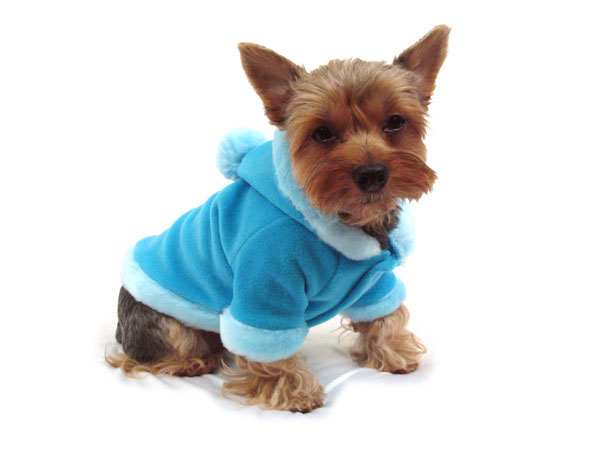
Our diva deluxe is wearing the http://www.dogclothes-apparel.com/ Blue Faux Mink Pom Dog Hoodie. Also available in Pink.

Tuesday, January 24, 2006

Traveling With Your Dog

Traveling with your pet can be more hassle-free if you know what to do. Hotels have become more dog friendly, so here are a few ways to reciprocate.

If you need to go out, take your dog with you. A dog left alone in a strange room may become agitated, nervous and upset with anti-social behaviors to foll0w such as barking, chewing, wetting, or digging.

Walk your dog before going to the room. An empty bladder is a happy carpet.

Take something along which makes your dog feel at home. A favorite toy or a blanket will help ease your dog's nervousness about being in a new place.

Spend some time with your pet in her new surroundings. If she seems hesitant about a certain area or item in the room, explore it together to help put her mind at ease.

Look for any itmes in the room which may be dangerous for your dog. Put any small items which could be harmful out of reach.

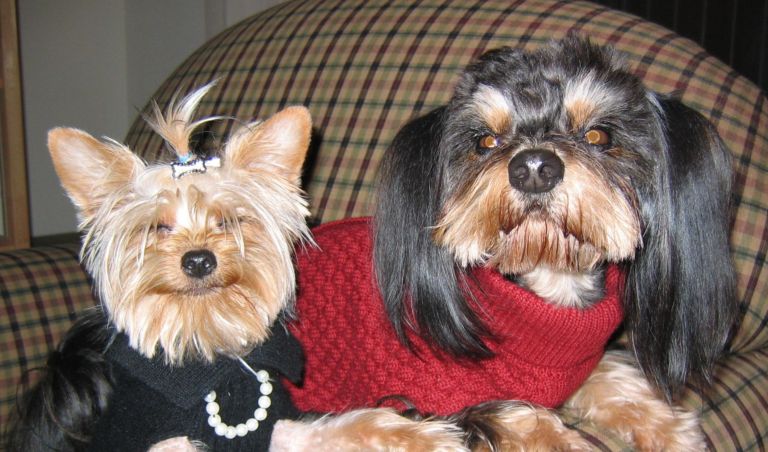
These two lovelies are Penelope and Parker, part of our dogclothes-apparel photo gallery for January. To add your pup to our pictures go to http://www.dogclothes-apparel.com/ and click on Photos.

Saturday, January 21, 2006

Talking To Your Dog

Not only do dogs hear what you are saying, they rely on your tone and body language to determine what you really mean.
When speaking to your dog, tone of voice matters. Giving your dog praise in a menacing voice will make our dog think he is being scolded. Make your tone match the words...light and happy for praise, more severe for scolding or behavior correction.

Let your dog know where he ranks in the pack by taking the lead role. When your dog knows you are top dog, he will feel safe.

When your dog speaks to you, don't just hear a bark; watch her tail movements vocal sounds, eye contact, and stance. All of these factors contribute to knowing what your dog is really saying.

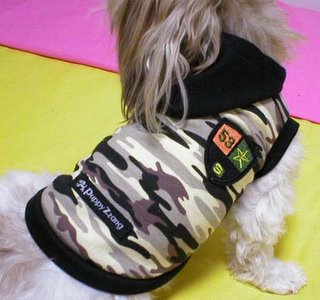
Our daily diva is sporting the http://www.dogclothes-apparel.com/ Sleeveless Camouflage Dog Hoodie available in Small through X-large. The perfect casual addition for any wardrobe.

Thursday, January 19, 2006

Doggie Dental


Dog breath getting you down? Other than being a social faux pas, bad breath can sometimes be an indicator of other problems your dog is experiencing, such as dental problems or gingivitis.

Schedule a dental visit for your dog annually. The dentist or vet will check for gum disease, chipped or cracked teeth, and may suggest a thorough teeth cleaning to keeping her going for the rest of the year.

Make certain to change your dog's water daily. Bacteria can grow inside water bowls with standing water. If your dog's water is outside, old stagnant water can collect insect larva (mosquitoes in particular) which can be detrimental to your pet’s health.

Check your dog's teeth and gums weekly for signs of tartar, foul odor, bleeding gums, ulcers, or broken, chipped or missing teeth. Call your vet if any of these problems are present. Catching gum and dental disease before it progresses will help keep your dog healthy.

Be cautious when giving your dog real bones. Splinters from bones may cause cuts in his mouth or intestinal problems. Ask your vet about brushing your dog’s teeth regularly. Frequent dental maintenance at home will help make your dog's annual dental checkup a breeze.

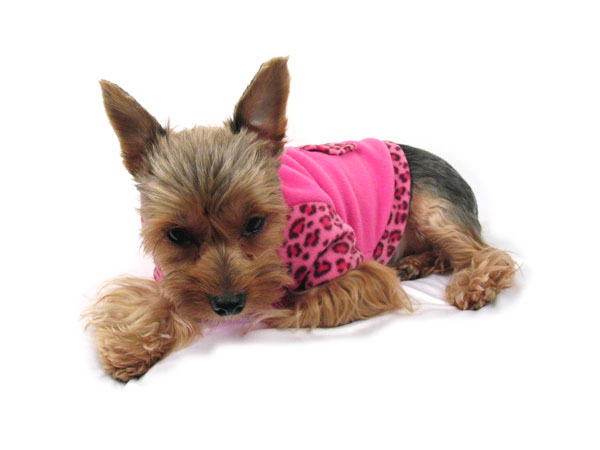
Our daily diva is wearing the http://www.dogclothes-apparel.com/ Pink Leopard Fleece Dog Hoodie. Available in sizes small through extra-large. Perfect for brightening those dreary winter days.

Monday, January 09, 2006

Quality Time With Your Dog

We spoil our dogs more that we do ourselves, but do we spend enough quality time with them? Letting your dog know he or she is loved not only brings you both closer together, but scientific studies have proven spending time with your pet lowers stress and is good for your health.
Talk to your dog with a loving voice. Pats, strokes, doggie conversations, and play make your dog feel loved. Select times throughout the day to give your pet a few minutes of your full attention.

Don't forget, dogs feel more at ease when they know who's in charge. Be direct with commands and deliver them in a firm voice. Let him know you're leader of the pack.

Develop a routine for your dog and stick to it as much as possible. Feed your dog, take walks, and any other daily events at the same time. A standard routine will make your dog feel more secure.

Don't forget praise. We all like it and dogs are no exception. Speak to your dog with a positive tone. Dogs are attuned to our voice and body language. Knowing you’re happy with her will make her happy too.

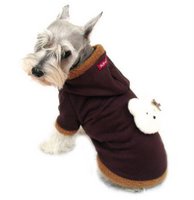
Our diva of the day is wearing the www.dogclothes-apparel.com Teddy Fleece Hoodie in deep brown. Sleeves, hood and hem are trimmed with lighter brown fleece. An adorable little teddy bear face with bow adorns the back.

Saturday, January 07, 2006

Dog Gone Bad Behavior

We all have our off days. But when your dog decides his bad behavior is good, what can you do to help change his mind?

Some dogs are just natural born diggers, but when your best rose bush is the object of your dog's affection, how can you convince him otherwise? One solution… provide a designated digging area for your dog. Just like when you were little, playing in the sandbox can be the solution for your dog's digging energies. Create a space large enough for your dog and dig down 12" to 18" removing rocks and any debris that may be in the dirt. Then fill the area with sand or clean dirt. Direct your dog to this area when he wants to dig, praising him when he goes to this spot and redirecting him when he forgets. As an added incentive, bury a few dog treats or a chew toy in the box for him to find as he digs. This will inspire him to continue to go to his digging area and to leave your prize petunias alone.

Help puppies through their chewing phase with chicken or beef broth flavored ice cubes. The flavored cubes give your pup a pleasant taste treat and the cold helps bring relief to her sore gums.

If your furniture is your puppy's favorite chew bone, try rubbing your dog's favorite chew toy with peanut butter, chicken fat, or bacon grease. Any of these will taste better than your dining room table and will inspire your dog to chew on his toys rather than your furniture.

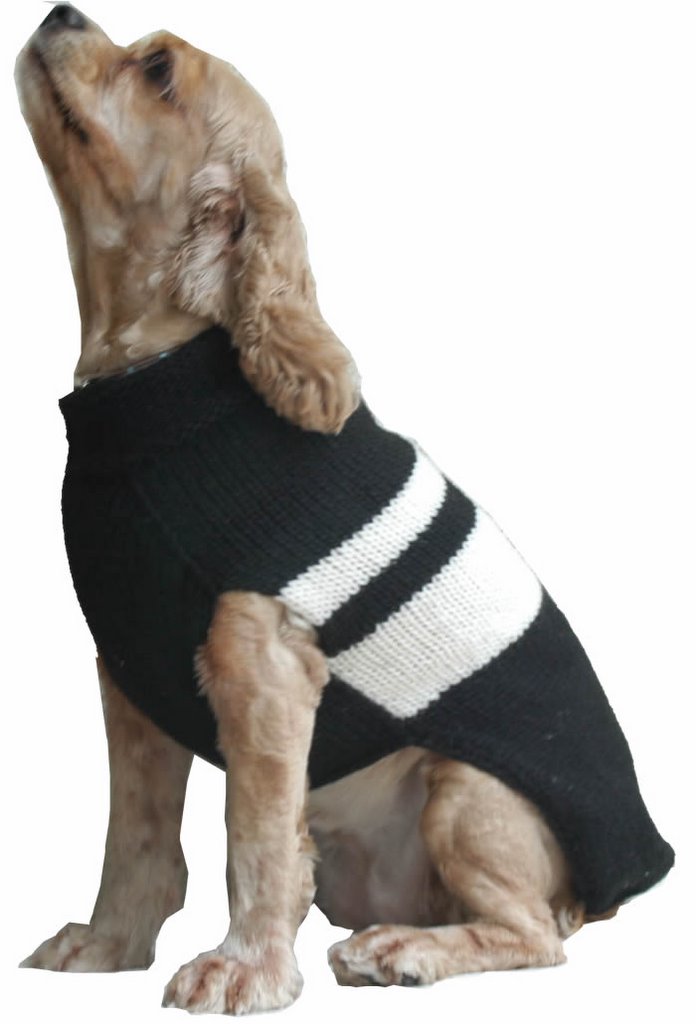
Our model of the day is wearing her http://www.dogclothes-apparel.com/ Turtle Neck Dog Sweater in black with white stripes. Also available in pink with white stripes. Even when it's cold, there's no need you can't look hot.

Happy New Year to all!

Monday, November 21, 2005

Grooming The Dog

Good hygiene improves dog health and keeps your pooch looking stunning. Here are a few tips to keep him looking his best.

Accustom your dog to being brushed. For the first few times, use a soft bristled brush and talk to your dog calmly and softly while brushing.

Use long straight strokes going in the direction of the fur. Going against the fur can sometimes irritate the skin and agitate your dog. Begin with shallow stokes to remove any knots or tangles which may be on the surface of the fur and then work deeper into the fur.

Different brushes and combs are suited for different coat types. Check with a dog groomer or your local pet shop for the best grooming tool for your pet's coat.

For an after brushing treat, apply a bit of dog moisturizer to your dog's coat and skin for a healthy coat and to help alleviate dry skin. An after grooming dog treat is nice too.

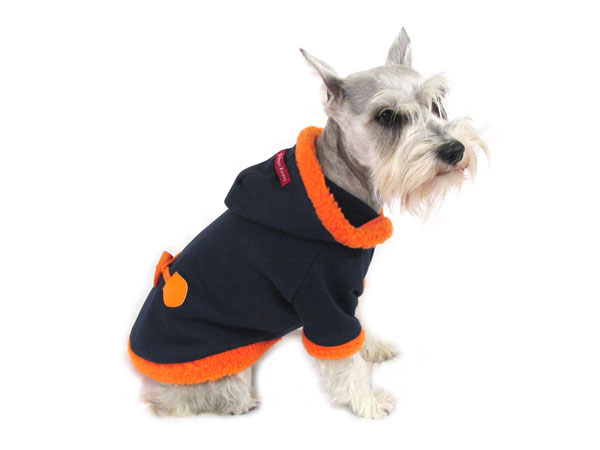
Your dog will never be in the dog house in our www.dogclothes-apparel.com Double Fleece Navy Dog Hoodie. Available in all sizes.

Tuesday, November 15, 2005

Feeding The Dog

We all want to make our dogs happy, but making your dog's day by overfeeding him can lead to health problems in the long run. Here are a few things to keep in mind when dinner rolls around.

If your dog loves to eat, rather than giving her large food portions once or twice a day, try breaking it up into more frequent smaller portions. Smaller meals are easier to digest and will keep your dog energized.

When purchasing pet food, check the labels to make certain they are not expired. Also review the contents. For good general health, dogs need certain ingredients such as fatty acids, protein, fiber, vitamin E and beta carotene.

Empty and wash your dog's food dish after each meal. Cleaning the bowl helps deter bacteria such as E coli from growing in your dog's dish. For a thorough cleaning, put your dog's dish in the dishwasher.

For more information on food and your dog go to: http://www.dogclothes-apparel.com/sites/ARTICLESandINFORMATION.html

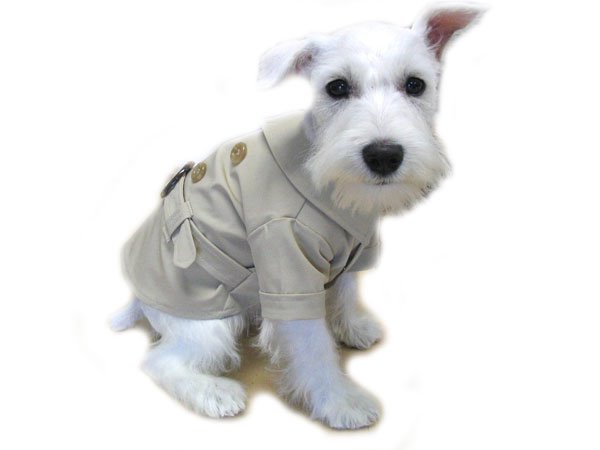
Our secret agent dog of the day is wearing the dogclothes-apparel.com Duffel Trench Coat in beige (also available in red). Perfect for a full day of squirrel sleuthing.

Monday, November 14, 2005

Cassie the Dog

Meet Cassie - one of the wonderful contestants in our November dog photo contest. To vote for Cassie, visit http://www.dogclothes-apparel.com/sites/PhotoPage.html and cast your vote. The winning dog gets to augment his or her wardrobe complements of dogclothes-apparel.com

Friday, November 11, 2005

Sleeping In

If only we humans could rest as much as our pampered, furry friends. On a whole, dogs tend to sleep up to thirteen hours a day, 24% of which is active REM sleep. But are they dreaming? We wish we knew! A dog's sleep schedule and amount will vary depending upon his activity level and the level of activity around him - with active dogs sleeping less than their more sedate brethren. Small dogs especially enjoy an area of their own where they can rest safe and secure out harms way. Here are a few tips to help make your dog's nap time even more enjoyable.
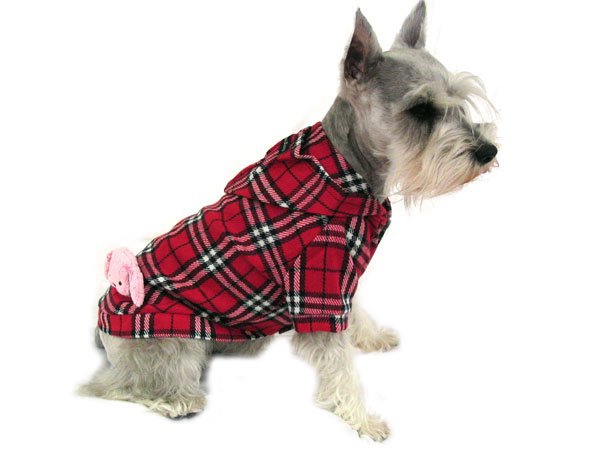
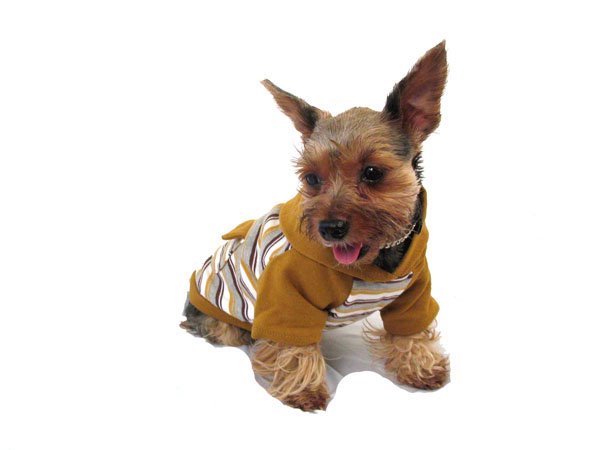
Just like people, a dog enjoys a good bed for a restful sleep. Make certain your dog's bed is away from busy areas and out of drafts.

During cold winter nights, warm your dog's blanket in the dryer and then place it over your dog for a snuggly warm feeling.

Make certain your dog's bed is large (or small) enough for your pet. A bed which is too small will make your pet feel restless and uncomfortable.

If your dog prefers your bed to his, try placing an old shirt or something with your scent on it in his bed.

Our model of the day is wearing the www.dogclothes-apparel.com Faux Mink Pom Hoodie in Pink (also available in blue for the more manly look).

Tuesday, November 08, 2005

Pampering Older Dogs

We love our dogs dearly and hate to see them get older. Here are a few ways to make your senior pet happy and comfortable.

One of the best ways to pamper your older dog is with heated bedding. This is especially good for arthritic dogs or dogs with joint problems. If you don't have a heated bed, add a warm water bottle to your dog's bed or apply it directly to aching joints.

Purchase a ramp to help your dog climb stairs, get on your bed, or get into your car or truck. Ramps should have good traction and be large and sturdy enough for your dog to ascend and descend without falling off or the ramp wobbling.

Raise food dishes and water bowls so your dog does not need to bend his neck to eat. Older dogs also tend to drink less water than younger dogs. Place a few water bowls around your home. Your dog will be more inclined to drink if water is readily available.

Check with your vet about glucosamine for your dog's joints and multivitamins for nutritional needs.

Go jump in the lake. Even older dogs need exercise. Swimming can be one of the best forms of exercise for older dogs since it is easier on arthritic joints.


Our model of the day is wearing the sporty Red Plaid Hooded Dog Jacket from www.dogclothes-apparel.com. Who said keeping warm needs to be boring?

Sunday, November 06, 2005

Travels with Dog


With the holidays fast approaching, we figured a few pet friendly travel tips may be appropriate to the season.

When flying, try to book direct flights for you and your pet. This will eliminate some of the stress of running through airports and changing planes - for both of you.

Avoid placing food in your dog's carrier. Travel can sometimes cause your pet to have an upset stomach. If he eats, things will only get worse.

If you are placing your dog in a carrier to take on board the plane, remember to check with the airline first to confirm what size carriers they accept and any weight limits they may have. Space under the seat may vary depending upon what plane is being used.

If you are in need of a carrier, call the airlines. Some airlines sell hard and soft side carriers for a reasonable price - and you know they will fit under the seat. When you book your flight, ask if you may reserve a carrier for purchase at the airport so it will be there when you arrive.

For larger dogs who must travel in the baggage compartment, avoid collapsible crates and look for something more sturdy such as aluminum.

Book the flight for you and your dog as early as possible. Some airlines limit the number of pets they allow on each flight.

Better to be safe than sorry. Even if you are carrying your dog aboard the plane, make certain your dog has an ID tag and that your name, address, and contact information are also on the carrier.


Our lovely model is wearing a www.dogclothes-apparel.com Round Pocket Hoodie. Perfect for the jet-setting dog.

Saturday, October 29, 2005

Dog Clothes to Keep Your Dog Warm

Now that Fall is upon us, visit www.dogclothes-apparel.com for a wide selection of dog coats, sweaters, and dog hoodies to keep our short-coated friends warm. Dog clothes not only make your dog fabulous, they also serve a practical purpose for the health and well being of your pampered pup.

When it comes to weather and temperature fluctuations, one must be mindful of our smaller and shorter-furred friends. Small dogs often lack the mass to maintain a steady body temperature and shorter-coated breeds have less insulating fur causing them to catch a chill more rapidly. In winter, wind gusting at ground level picks up moisture. Once damp or wet, fur loses it's ability to insulate causing your small dog's temperature to drop. For longer-coated dogs, regular brushing helps prevent matted fur caused by wet weather and stimulates oils which keep your dog's skin moisturized.

Dog clothes, such as sweaters, coats, and tees offer your pet various degrees of protection from the elements, as do shoes and boots for truly inclement weather. Not only will your dog be ready for his or her close-up, but dog clothes will keep your dog, large or small, warm and well year round.

Meet Rocky - another of our cute contestants in our October photo contest. To vote for Rocky, visit http://www.dogclothes-apparel.com/sites/PhotoPage.html and cast your vote. The winning dog gets to augment his or her wardrobe complements of dogclothes-apparel.com

Tuesday, October 25, 2005

It's Oktober in October

October is almost over and we wanted to share another pampered pup from our photo contest.
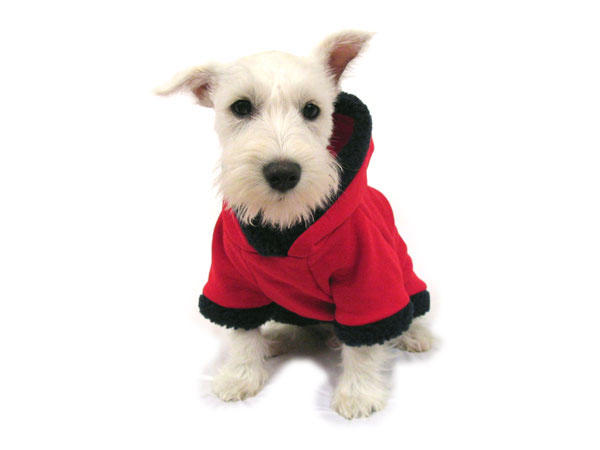

This is Oktober in his Halloween bear costume.

To vote for Oktober, visit http://www.dogclothes-apparel.com/sites/PhotoPage.html and cast your vote. The winning dog gets to augment his or her wardrobe complements of dogclothes-apparel.com

Only 6 more shopping days 'til the Great Pumpkin. Come visit us.

Tuesday, October 18, 2005

Identifying & Controlling Your Dog’s Allergies

Between 15% to 20% of all dogs in the United States suffer from allergies. As in humans, allergies may manifest in different ways producing varied symptoms in your pet. Knowing the signs of allergy suffering will bring your dog faster relief and happier days. As with any pet related medical issue, always consult your veterinarian if you suspect a problem.

Food Allergies
Dogs can develop allergies or food sensitivities at any point during their lives. Often, dogs eat the same type of food for years, so their diet may be overlooked. The most common problem causing foods include:
Soy products
Beef
Chicken
Corn
Wheat
Pork
Milk
Whey
Eggs
Fish
Lamb
Chemical Preservatives
Artificial Sugars

Symptoms of Food Allergies often include:
Itchy Skin
Ear Inflammations
Ear Scratching
Frequent Licking or Biting of Paws
Anal Itching
Face Rubbing
Head Shaking
Loss of Appetite
Coughing

Remedy:
Once food allergies have been determined to be the cause of your dog’s symptoms, eliminating the potential allergens from your pet’s diet is the first course of action. Begin by excluding foods which are known instigators (see list above). Look for either a commercial product which contains ingredients your dog has not eaten before or prepare home-made food for your dog consisting of two parts starch to one part protein. Suggested protein alternatives include duck, salmon, venison, or rabbit. Potatoes are suggested as an alternative starch. All ingredients should be served boiled and fed in normal proportions to your dog’s regular diet. Once prepared, the food can be individually packaged, frozen, and then used as needed. Home cooked diets are generally nutritionally incomplete and should only be used temporarily during the test period.

One item at a time, begin adding ingredients present in your dog’s former food to his new food. If symptoms reappear, the food allergen should be easily identified. During the test period, make certain your dog eats only the new food. Eliminate treats, dog bones, table scraps, rawhide, chews, vitamins, etc. Once the offending food has been identified, look for a commercial food which does not contain that ingredient.

Atopic Dermatitis
Atopic dermatitis, or canine atopic dermatitis, is an allergic skin disease generally caused by an immune hypersensitivity to environmental substances such as mold spores or dust mites. Indications your dog has this sensitivity generally present themselves by the age of two. Food and flea allergies, as well as parasitic infections, should be ruled out first as their symptoms are similar to atopic dermatitis.

Symptoms of Atopic Dermatitis include:
Excessive Grooming
Licking or Chewing of the Paws, Stomach, or between the Toes
Change of Stomach Skin Color to an Irritated Red
Ears which are Red or Hot to the Touch

Remedy:
Skin allergy testing can be conducted by your veterinarian to determine your dog’s specific allergy.

Flea Allergy
Caused by the saliva secreted by the flea, a flea allergy is the most common form of dog allergy. Sometimes the bite of a single flea may cause your dog to launch into fits of self-chewing and biting lasting for five to seven days.

Symptoms of Flea Allergy Include Severe Biting & Chewing of:
The Tail and Surrounding Area
Stomach
Inside hind legs

Remedy:
A skin test can be performed to confirm your dog is allergic to flea saliva. Once a flea allergy has been confirmed, a strict control regimen should be initiated. Flea control products are safer now than they once were with options ranging from topical solutions to pills, shampoos and sprays. Garlic and Brewers Yeast have also been touted to keep fleas away as have weekly topical applications of lavender and eucalyptus oils. However these solutions have not been scientifically confirmed.

Whatever remedy you choose, consult your veterinarian first. Overly strong flea killing preparations may cause your dog more harm than good. Additionally, regular dog grooming (through your dog’s coat and down to the skin) will help find and eliminate fleas and flea droppings.

Inhalant Allergy
Inhalant allergies are substances in the environment which cause your dog’s immune system to react, releasing antibodies containing histamines, serotonin, and leukotrienes. Pollens from trees, grass, ragweed as well as mold spores, chemicals, dust mites and wood chips in pet bedding may cause your dog substantial discomfort.

One clue to diagnosing this allergy is timing. Is your dog’s allergy seasonal or year round? If you know to what your dog is allergic, avoidance is the best remedy. To help mitigate possible allergens, use dehumidifiers to reduce mold, air conditioners during pollen season, air cleaners with HEPA filters for dust and pollen residue, and vacuum frequently.

Inhalant Allergy Symptoms Include:
Biting and scratching at the body
Red or Irritated ear flaps which are hot to the touch
Head shaking
Rubbing the face
Severe scratching or biting of the flank, groin, paws and armpit regions

Remedy:
Providing your dog relief may come in the form of a cool bath with colloidal oatmeal, aloe vera, eucalyptus, or a medicated shampoo. However these will only provide your dog temporary relief and will need to be repeated frequently.

Omega 3 and Omega 6 fatty acids are natural anti-inflammatory agents which have proven successful in approximately 20% of dogs tested. Omega 3 fatty acids are found in fish oils such as Cod and Omega 6 fatty acids come from plants containing gamma-linolenic acid – such as evening primrose. Antihistamines have also proven effective in dogs with allergies with one short-term effect being lethargy or tiredness.

Corticosteriods (steroids) are substances which interfere with the function of the immune system and reduce itching by reducing the inflammation. They also affect all the organs in your dog’s body and should be used under medical supervision for short periods of time or in small doses.

Blood tests and intradermal skin testing can also be performed to judge specific reactions to allergens.

Contact Allergies
Contact allergies are the least common of dog allergies. Items such as flea collars, grass, shampoos, plants, chemicals, and wood chips may cause allergic reactions. By eliminating the irritant, symptoms should disappear.

If you think your dog may suffer from allergies, keep a journal. Make notes as to the symptoms, their severity, and when they occur. This will help your veterinarian pinpoint the problem and help your dog achieve a speedier recovery.

www.dogclothes-apparel.com

Tuesday, October 11, 2005

Dog Clothes


Dog clothes not only make your dog fabulous, they also serve a practical purpose for the health and well being of your pampered pup.

When it comes to weather and temperature fluctuations, one must be mindful of our smaller and shorter-furred friends. Small dogs often lack the mass to maintain a steady body temperature and shorter-coated breeds have less insulating fur causing them to catch a chill more rapidly. In winter, wind gusting at ground level picks up moisture. Once damp or wet, fur loses it's ability to insulate causing your small dog's temperature to drop. For longer-coated dogs, regular brushing helps prevent matted fur caused by wet weather and stimulates oils which keep your dog's skin moisturized.

Dog clothes, such as sweaters, coats, and tees offer your pet various degrees of protection from the elements, as do shoes and boots for truly inclement weather. Not only will your dog be ready for his or her close-up, but dog clothes will keep your dog, large or small, warm and well year round.